
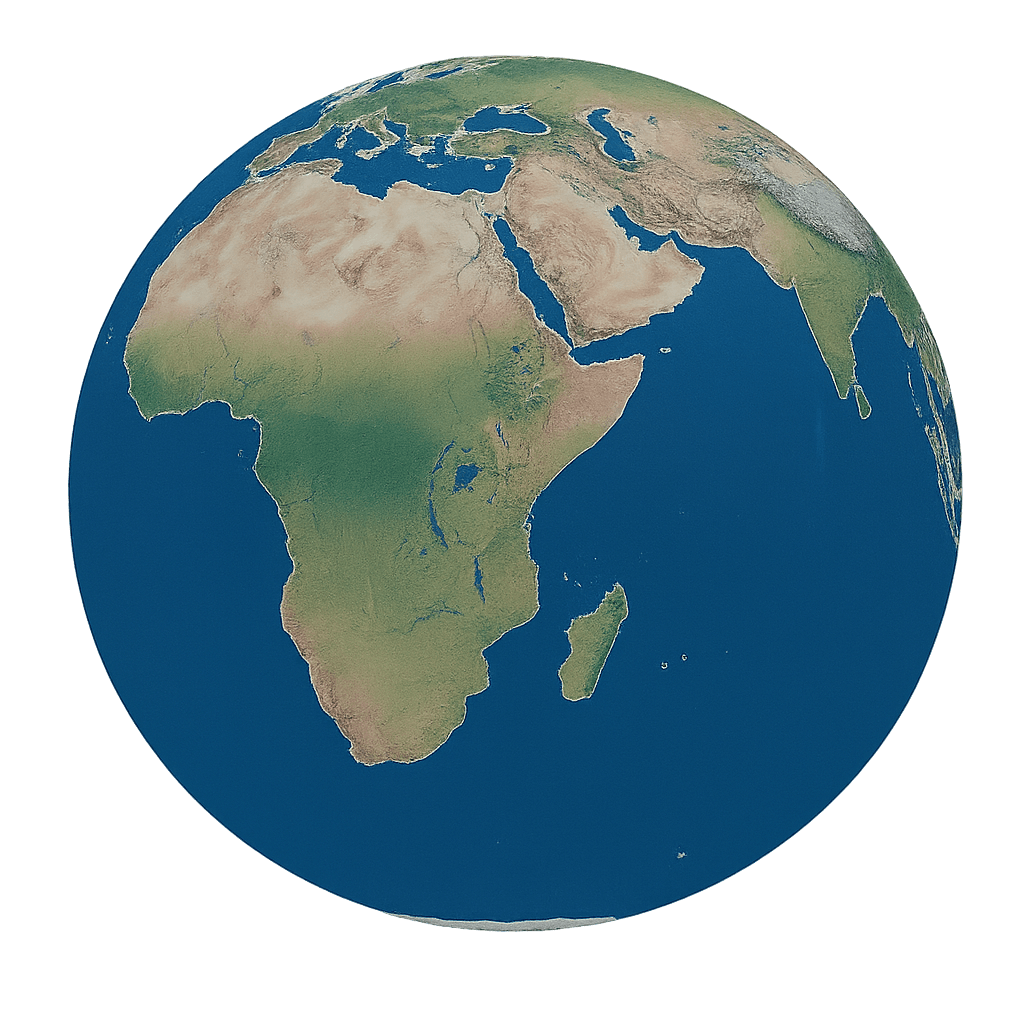
Gabon’s Aging Policy Push: Libreville hosted the first National Day for Retirees and Older Persons on Oct 1, with leaders framing retirement dignity as a real social-policy priority—moving from honoring elders to protecting their well-being, including access to healthcare and support services. Health Systems at the UN: A UN update says $18.5m (10.5bn FCFA) was allocated for Gabon’s 2025 SDG work across 21 agencies, with a pillar that explicitly targets social inclusion and access to healthcare. UHC & Pandemic Readiness: UNGA81 discussions highlighted that universal health coverage and health security must move together, stressing resilient primary care, community engagement, and fair access to health tools. School Wellness in Focus: New Wellness Centers opened at Greenfield and King City high schools, staffed by licensed mental health therapists offering counseling and crisis support during the school day. Medicinal Plant Governance: Gabon’s iboga benefit-sharing decree is in place, but mechanisms for distributing downstream value are still being built as exports and a new framework are being shaped.
AGP Executive Report
Your go-to archive of top headlines, summarized for quick and easy reading.
Note: AI summary from news headlines; neutral sources weighted more to help reduce bias in the result. Feedback is welcome. Please let us know if you have any comments or suggestions about the AGP Executive Report.
Aging & Social Protection in Gabon: Libreville held Gabon’s first National Day for Retirees and Older Persons on Oct. 1, with ceremonies and public events aimed at moving retirement from recognition to real protection—highlighting dignity, healthcare access, and support for elders. Health Systems & Global Policy: At UNGA81, universal health coverage and pandemic preparedness were pushed as linked priorities, stressing stronger, equitable primary health care and community trust. Gabon’s Health & Wellness Access: New Wellness Centers opened at Greenfield and King City high schools, staffed by licensed mental health therapists offering counseling, crisis support, and referrals for students. Medicinal Plant Governance: Gabon’s iboga policy is in focus as benefit-sharing rules are set, but mechanisms for communities to receive downstream value are still being built. Conservation & Community Livelihoods: São Tomé and Príncipe showcased a conservation model that ties biodiversity protection to sustainable local livelihoods—an approach relevant to health, nutrition, and community resilience.
Aging Policy Spotlight (Gabon): Libreville held Gabon’s first National Day for Retirees and Older Persons on Oct 1, with ceremonies at the Omar Bongo Ondimba Congress Palace and public activities at the Arambo esplanade, aiming to move retirement from celebration to real protection—especially around dignity, social support, and access to care. Health Systems & Global Health (UN): At UNGA81, UHC and pandemic preparedness were pushed as linked priorities, with calls to strengthen resilient health systems, build local capacity, and ensure fair access to health tools. Medicinal Plant Governance (Gabon): Gabon’s new decree on iboga and related traditional knowledge includes benefit-sharing for commercial use, but mechanisms for delivering promised value to communities are still being worked out, while exports were paused as a national framework is developed. Mental Health in Schools (Wellness): New wellness centers at Greenfield and King City high schools add on-campus mental health support, with licensed therapists offering individual and group help and crisis intervention. Public Health Watch (Online Safety): India is considering restricting social media accounts for under-18s, citing mental health and online safety concerns—an issue Gabon is also reported to have addressed with age-based limits.
Aging Policy Spotlight: Libreville marked Gabon’s first National Day for Retirees and Older Persons on Oct 1, with ceremonies at the Omar Bongo Ondimba Congress Palace and public activities at the Arambo esplanade, aiming to move retirement from celebration to real protection—covering dignity, social support, and access to services for elders. Health Systems at UN Level: UNGA81 discussions highlighted universal health coverage and pandemic preparedness as linked goals, stressing stronger primary health care, resilient systems, community trust, and fair access to health tools. Medicinal Plant Governance: Gabon’s new decree on iboga benefit-sharing is in place, but mechanisms for sharing value are still being built; exports were also halted while a national framework is developed. Mental Health Access (Global): New wellness centers in school settings show a growing push for on-site mental health support, including crisis help and short-term counseling. UHC Funding Boost (Gabon): The UN announced $18.5m (10.5bn FCFA) for Gabon in 2025 across 21 agencies, targeting governance, green-blue transition, and social inclusion including health access.

Gabon Social Protection: Gabon marked a new civic milestone with the first National Day for Retirees and Older Persons (JNRPA) on 1 October 2026, under President Brice Clotaire Oligui Nguema, spotlighting pensions, recognition, and solidarity for elders. UN Health Systems & Funding: The UN announced a major 2025 boost for Gabon—$18.5m (10.5 billion FCFA) across 21 agencies—aimed at governance, a green-blue economy shift, and wider access to education and healthcare. UHC & Pandemic Preparedness: At UNGA81, leaders stressed that universal health coverage and pandemic readiness must move together, with calls for stronger local health capacity, resilient systems, trust, community engagement, and fair access to health tools. Wellness in Schools: New Wellness Centers opened at Greenfield and King City high schools, staffed by full-time licensed mental health therapists offering counseling, crisis support, and referrals. Medicinal Plant Policy: Gabon’s iboga benefit-sharing decree is in place, but mechanisms to deliver promised community shares are still being built, after exports were later halted while a new framework is developed. Wildlife Health Insight: New footage from Gabon’s Abanda Caves shows dwarf crocodiles hunting bats in a never-before-seen way, adding to conservation and ecosystem understanding.
Public Finance Crackdown: Gabon removed 1,473 absent public employees from the state payroll after a financial and biometric audit, freeing over 11 billion FCFA a year meant for hospital renovations, school construction, and hiring real teachers and health workers. UN Development Push: The UN in Gabon mobilized 10.5 billion FCFA (about $18.5m) for 2025 across 21 agencies, targeting governance and human rights, a green-blue economy shift, and social inclusion including access to health and education. Medicinal Plant Policy: Gabon’s decree on benefit sharing for iboga and related traditional knowledge is still struggling to deliver promised downstream value, even as exports were halted while a new national framework is built. School Mental Health: New Wellness Centers opened at King City and Greenfield high schools, staffed by licensed therapists for counseling, crisis support, and referrals. Wildlife & Health Link: New footage shows Gabon’s cave-dwelling dwarf crocodiles hunting bats in underground lairs—an unusual window into forest ecosystem health. Regional Health Context: India is considering age limits for social media under 18, citing mental health and online safety concerns, with enforcement and age checks still unclear.
Public Health & Services: Gabon says it has removed 1,473 “ghost workers” from the state payroll after a financial and biometric audit, freeing over 11 billion FCFA a year that the government plans to redirect to hospital renovations, school building, and hiring real teachers and healthcare staff. Medicinal Plants & Regulation: Gabon passed a decree on benefit-sharing for commercial uses of iboga and related traditional knowledge, but mechanisms for sharing downstream value are still being built, while exports were recently halted as a new national framework is developed. Mental Health Access: New Wellness Centers opened at King City and Greenfield high schools, staffed by full-time licensed therapists offering counseling, crisis support, and referrals for students. UN Funding for SDGs: The UN in Gabon mobilized 10.5 billion FCFA (about $18.5m) for 2025 across 21 agencies, focusing on governance, a green-blue economy transition, and social inclusion. Wildlife & Health Links: A new report highlights Gabon’s cave-dwelling dwarf crocodiles hunting bats in underground guano-filled caves, offering fresh conservation insight.
School Mental Health Expansion: New Wellness Centers opened at King City and Greenfield high schools, with two full-time licensed therapists per site offering individual and group support, crisis help, short-term counseling, and referrals during the school day. UN SDG Funding for Gabon: The UN in Gabon mobilized 10.5 billion FCFA (about $18.5m) for 2025 across 21 agencies, targeting governance and human rights, a green-blue transition, and social inclusion. Public Health & Jobs Oversight: Gabon’s payroll cleanup removed 1,473 “ghost workers” from state salaries after audits, projected to save over 11 billion FCFA annually for hospital upgrades, schools, and hiring real teachers and health staff. Food Sovereignty & Trade: Gabon’s planned poultry import ban from Jan 1, 2027 is set against a WTO dispute with the US, as Libreville argues for domestic production and resilience. Wildlife & Conservation Health: A rescued gorilla, Bili, completed a coordinated relocation from Nigeria to Congo with logistics support via Gabon, aiming for eventual reintroduction to the wild.
School Mental Health: King City and Greenfield high schools opened new on-campus Wellness Centers after redesigning existing spaces, funded through the district plan; each center has two full-time licensed mental health therapists offering individual/group support, crisis help, short-term counseling, and referrals, with students able to access care during the day and at breaks. UN Development Funding: The UN announced a major 2025 boost for Gabon—$18.5m (10.5bn FCFA) across 21 agencies—aimed at governance and human rights, a green-blue economy transition, and social inclusion (education, healthcare, and opportunity). Public Health & Jobs: Gabon’s payroll cleanup removed 1,473 “ghost” public employees after accounting/biometric checks, freeing over 11bn FCFA annually that the government says will go toward hospitals, schools, and hiring real health and education workers. Food Sovereignty: Gabon’s poultry import ban dispute with the US heads to the WTO, with Libreville arguing it’s about food self-reliance and building domestic production as the UN General Assembly spotlight opens. Wellness Policy Watch: India is considering restricting social media accounts for under-18s, citing mental health and online safety concerns, while enforcement and age verification remain major hurdles.
Public Health & Governance: Gabon’s transitional authorities have removed 1,473 “ghost workers” from the state payroll after a financial and biometric audit, projecting savings of over 11 billion FCFA per year to fund hospital upgrades, school construction, and recruitment of real teachers and health staff. Food Security & Policy: Libreville’s poultry import ban from 1 January 2027 is now a major trade flashpoint, with the US taking the case to the WTO as Gabon argues for food sovereignty and stronger local production. Wildlife & Wellness Research: New findings suggest African elephants around Mount Elgon in Kenya prepare medicinal plant mixtures and administer them to their calves—mixing chewed roots/leaves with breast milk—highlighting sophisticated self-medication in nature. Regional Health & Environment: Indonesia’s worsening wildfires are linked to toxic haze affecting public health across Southeast Asia, with calls for broader international firefighting support as funding gaps persist. Global Digital Safety: India is considering restricting social media access for under-18s, citing mental health and online safety concerns, while enforcement challenges like age verification remain unresolved.
Public Health & Governance: Gabon’s transitional authorities removed 1,473 “ghost workers” from the state payroll after a financial and biometric audit, projecting savings of over 11 billion FCFA a year—money the government says will go toward hospital renovations, school construction, and hiring real teachers and healthcare staff. Food & Health Policy: Gabon’s planned poultry import ban from 1 January 2027 is now a major food-sovereignty fight, with the US taking the case to the WTO as Libreville prepares its legal response during the UN General Assembly. Mental Health & Youth Online Safety: India is considering restricting social media for under-18s, citing concerns over teen mental health and online harm—while enforcement questions like age verification remain a challenge, including in countries such as Gabon. Wildlife & Community Health: A rescued gorilla, Bili, was transported from Nigeria to the Republic of Congo via a route that included Libreville, supporting long-term reintroduction plans. Environment & Respiratory Risk: Indonesia’s wildfire smoke has triggered health worries across the region, with toxic haze disrupting daily life and public health.
Public Health & Safety: Gabon’s transitional authorities removed 1,473 “ghost” public employees from the payroll after a financial and biometric audit, freeing over 11 billion FCFA annually—money the government says will go to hospital upgrades, school construction, and hiring real health workers and teachers. Food Security & Policy: Libreville’s poultry import ban is now a major trade fight: the U.S. has taken the case to the WTO over a planned ban starting Jan 1, 2027, as Gabon argues the move protects food sovereignty and supports local production. Wildlife & Health Research: New research from Mount Elgon reports elephants deliberately preparing medicinal plant mixtures for their calves—mixing chewed roots/leaves with breast milk—adding to growing evidence of animal self-care. Environment & Health: Indonesia’s wildfires are worsening regional health risks via toxic haze, with international support described as patchy and a UN report warning of a major tropical-forest firefighting funding gap. Wellness Products (Caution): A new liquid dietary supplement, Olivaro Balanced Blood Sugar Advanced Support, is marketed for blood sugar support with chromium and botanical extracts, but it’s not presented as a treatment and consumers are urged to consult healthcare professionals.
Public Health & Finance: Gabon’s transitional authorities have removed 1,473 “ghost workers” from the state payroll after accounting and biometric audits, projecting savings of over 11 billion FCFA a year that the government says will go toward hospital renovations, school construction, and hiring real teachers and healthcare workers. Diplomacy & Public Health: Libreville has taken on the UN General Assembly vice-presidency, with Foreign Minister Marie-Édith Tassyla-Ye-Doumbeneny tasked to push priorities including public health, climate action, and digital transformation. Food Security: Gabon’s poultry import ban is now a major trade fight, with the US taking the case to the WTO over a planned ban starting January 1, 2027, as Libreville argues it’s about food sovereignty and building local production. Wellness (Global Product Watch): A US-made liquid dietary supplement, Olivaro Balanced Blood Sugar Advanced Support, has been marketed for blood sugar support, with the company stressing it’s not a disease treatment and advising consultation with healthcare professionals. Wildlife Health Insight: New research reports elephants around Mount Elgon in Kenya prepare medicinal plant mixtures and administer them to calves, adding to growing evidence of animal self-care.
Public Health & Finance: Gabon has moved from warnings to action, removing 1,473 “ghost workers” from the state payroll after a financial and biometric audit—projected to save over 11 billion FCFA each year, with funds earmarked for hospital renovations, school construction, and hiring real teachers and health workers. Food Security & Policy: Libreville’s poultry import ban is now a major diplomatic and health-adjacent issue as the U.S. takes the case to the WTO over a planned ban from Jan 1, 2027, putting Gabon’s food sovereignty and local production plans under international scrutiny. Environment & Health: Wildfires in Indonesia are worsening regional air quality, disrupting classes and flights, and triggering public health concerns across Southeast Asia—while a UN report flags a major funding gap for tropical forest protection and firefighting. Wildlife & Medicine: New research reports African elephants around Mount Elgon “prepare” medicinal plant mixtures for their calves, using dozens of plant species—an unusual look at animal self-care that could inspire future studies. Sports Health (Gabon): Pierre-Emerick Aubameyang is set for knee surgery and is expected to miss about two months, a setback for his return to form.
Public Finance Crackdown: Gabon has removed 1,473 “ghost” public employees from the payroll after a financial and biometric audit, projecting savings of over 11 billion FCFA a year that the government says will go toward hospital upgrades, school construction, and hiring real teachers and health workers. Food & Health Security: Libreville is pressing ahead with a ban on broiler chicken imports from January 1, 2027, despite a US complaint to the WTO, arguing it’s about food sovereignty and building local poultry capacity (imports are far higher than domestic production). Wildfire Health Warning: Indonesia’s severe forest fires are driving toxic haze that has disrupted classes and flights and is raising public health concerns across Southeast Asia, while UN reporting points to a major funding gap for tropical forest protection. Animal Health Discovery: New research from Mount Elgon in Kenya reports elephants “self-medicating” by mixing medicinal plants with breast milk for their calves, using dozens of plant types depending on condition. Sports Medicine (Gabon-linked): Pierre-Emerick Aubameyang is set for knee surgery and could miss about two months, while Morocco’s camp says injuries to players like Brahim Diaz are being monitored.
Ghost Workers Crackdown: Gabon moved from warnings to action, removing 1,473 absent public employees from the payroll after an accounting and biometric audit, freeing over 11 billion FCFA a year that the government says will go toward upgrading strained hospitals, building schools, and recruiting real teachers and health workers. UN Spotlight for Public Health Priorities: Libreville also took on the UN General Assembly vice-presidency, with Foreign Minister Marie-Édith Tassyla-Ye-Doumbeny tasked to push priorities including public health, climate action, and conservation. Food Sovereignty at WTO: Gabon is sticking to its plan to ban broiler chicken imports from January 1, 2027, despite a US challenge at the WTO, arguing the move is about protecting domestic production and reducing dependence on imports. Health & Environment Beyond Gabon: Indonesia’s wildfires are worsening toxic haze across Southeast Asia, disrupting classes and flights and raising public health concerns, while the UN warns of a major funding gap for tropical forest protection. Animal Health Discovery: New research from Mount Elgon in Kenya reports elephants “self-medicating” by preparing plant-based remedies for their calves, using at least 35 plant species.
Public Health & Hospitals: Gabon’s payroll cleanup is set to directly support health services, with the government saying savings from removing 1,473 ghost workers will help upgrade and equip strained hospitals and fund real health posts. Anti-Corruption & Workforce: After a financial and biometric audit, 1,473 absent public employees were cut from the state payroll, projected to save over 11 billion FCFA annually, while unions ask for safeguards so genuine workers aren’t wrongly dismissed. Food Security & Nutrition: Gabon’s poultry import ban from Jan 1, 2027 is now a major health-and-economy flashpoint as the U.S. challenges Libreville at the WTO; Gabon argues the move protects food sovereignty and boosts local production. Global Health & Environment: Wildfires in Indonesia are worsening regional air quality and public health, with toxic haze disrupting classes and flights and raising concerns across Southeast Asia. Wildlife Health Insight: New research from Mount Elgon suggests elephants can prepare medicinal plant mixtures for their calves, adding to growing evidence of animal self-care. Diplomacy & Public Health: Gabon’s UN General Assembly vice-presidency highlights priorities including public health, climate action, and digital transformation.
Public Health & Hospitals: Gabon’s payroll cleanup is now tied to health services: the state says 1,473 “ghost workers” were removed after an accounting and biometric audit, freeing over 11 billion FCFA a year that the government plans to redirect to hospital upgrades and better staffing. Anti-Corruption & Workforce: The same crackdown targets salaries paid to people who abandoned posts or held other jobs, with officials saying questionable cases will be reviewed to avoid mistakes. Food Security: Gabon is sticking to its plan to ban broiler chicken imports from Jan 1, 2027, even after a U.S. WTO challenge—Libreville says the move supports food sovereignty and aims to scale local production. UN & Public Health Priorities: As Gabon takes the UN General Assembly vice-presidency, its delegation says it will push priorities including public health, climate action, and digital transformation. Wildlife Health Insight: New research from Kenya reports elephants preparing medicinal plant mixes for their calves, adding to growing interest in animal self-care.
Public Health & Services: Gabon’s payroll cleanup is now a major health-and-welfare story: after a financial and biometric audit, 1,473 “ghost workers” were removed from the state payroll, freeing over 11 billion FCFA a year that the government says will go to hospital renovations, school building, and hiring real teachers and healthcare workers—though unions want safeguards against wrongful dismissals. Food Security: Gabon is pressing ahead with a ban on broiler chicken imports from Jan 1, 2027, even after the US filed a WTO complaint; Libreville says the move is about food sovereignty and scaling local production, with imports far outpacing domestic output. Wildlife & Health Research: New research reports elephants around Mount Elgon “self-medicating” by mixing medicinal plants with breast milk for calves, using at least 35 plant species—an unexpected window into animal health behavior. Global Health Context: A UN-linked firefighting fund for tropical forests was announced, but critics warn it leaves out large parts of Africa and Southeast Asia as wildfires worsen and air quality risks rise.
UN & Public Health: Gabon’s delegation has taken on a new UN role, as the country assumes the vice-presidency of the 81st UN General Assembly, with priorities including climate action, forest and ocean conservation, public health, housing, and digital transformation. Food Security & Trade: Gabon’s poultry import ban from Jan 1, 2027 is now a major WTO dispute with the US, as Libreville argues the move is about food sovereignty and building local production capacity. Wildfires & Health: A new firefighting fund was launched, but a major funding gap remains—raising concerns for worsening smoke and health impacts as fires spread globally. Animal Health Insight: New research reports elephants around Mount Elgon “self-medicating” by mixing medicinal plants with breast milk for their calves, adding fresh evidence of sophisticated natural health behaviors. Sports Injury (Health angle): Pierre-Emerick Aubameyang is set to miss about two months after knee surgery, while Morocco’s Tawfik Bentayeb was medically cleared after a head injury scare.
Sign up for:
Health News Daily Gabon
The daily local news briefing you can trust. Every day. Subscribe now.
Check Your Email!
We sent a one-time activation link to: .
Confirm it's you by clicking the email link.
If the email is not in your inbox, check spam or try again.
Welcome back!
is already signed up. Check your inbox for updates.